Ball valves
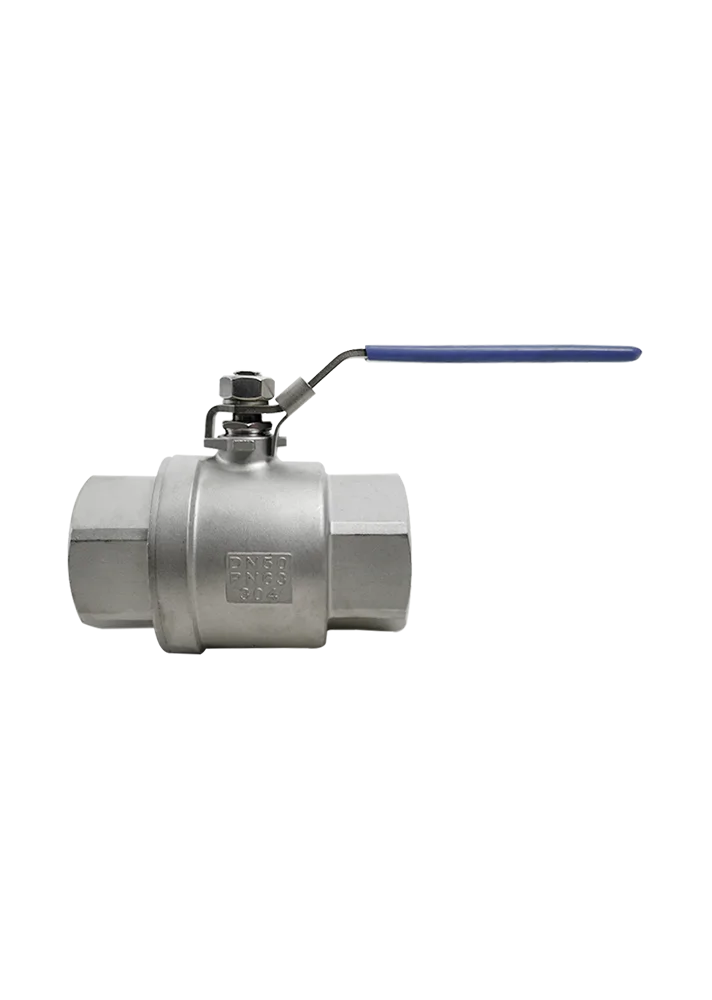
Flow control solutions for fluid systems
Ball valves are designed to efficiently control fluid flow in industrial systems. They derive their name from the perforated, rotating sphere they contain, allowing for rapid opening and closing with excellent sealing properties.
Performance: Low pressure losses
Materials: 304/316 stainless steel, cast iron, PTFE
Controls: Lever, electric, pneumatic
Main characteristics of ball valves
- Low pressure losses for optimal efficiency
- Easy to open and close with a quarter turn
- Excellent seal for a complete closure
- Compact size for installation in small spaces
- Robust design for a long lifespan
- Suitable for applications requiring frequent opening/closing
- Reduced maintenance and reliable operation
Operating principle
Ball valves get their name from the perforated, rotating sphere they contain. This sphere is rotated 90 degrees using the valve handle to control the flow rate in the system. When the handle is aligned with the flow, the sphere's orifice is also aligned, allowing for optimal fluid circulation.
When the handle is rotated 90 degrees and becomes perpendicular to the valve, the system is closed, interrupting the flow. Ball valves are preferred for applications requiring frequent or rapid opening and closing due to their excellent sealing properties and ease of use.
Types of ball valves available
Body design: Two-piece – Three-piece – Three-way
Materials: AISI 304 - AISI 316 - Cast iron
Connection type: Threaded - Flanged - One-piece plate type
Seal type: PTFE
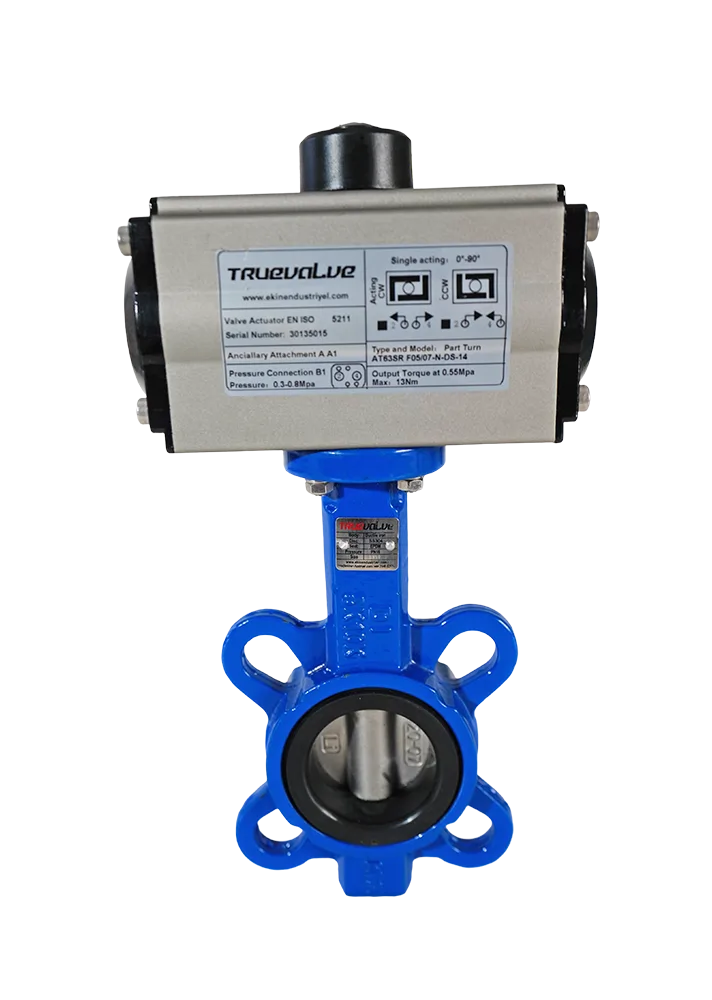
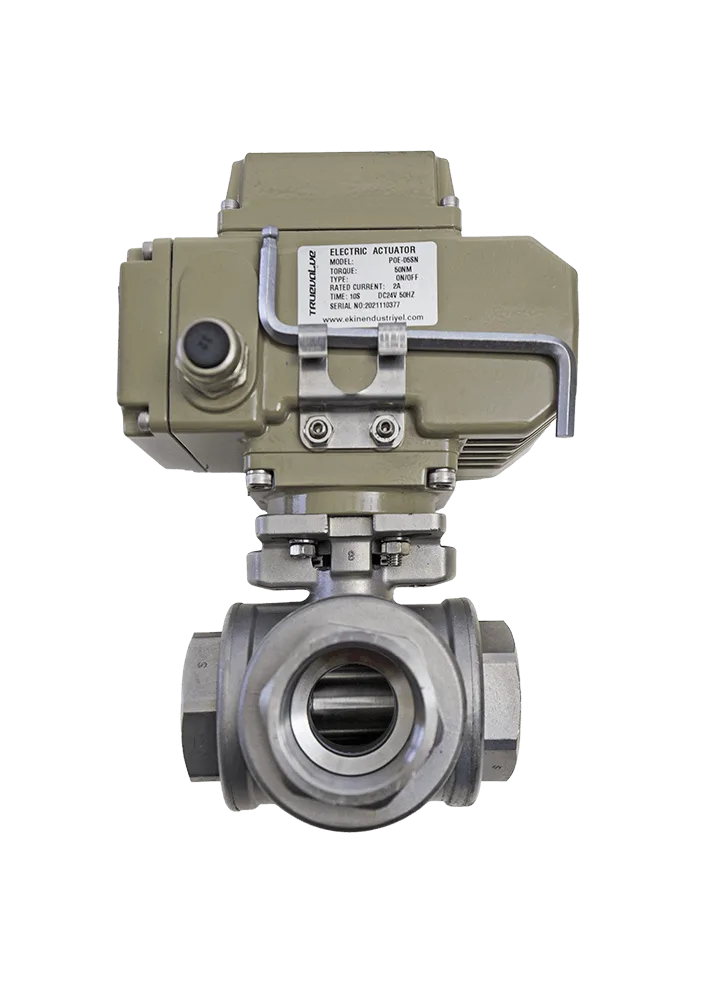
Control mechanism: Lever – Electric actuator – Pneumatic actuator
Operating pressure: PN16 and PN63
Maximum temperature: 180°C
Main variants:
- Two/three-piece threaded ball valve (pressure up to 63 bar)
- Two/three-piece flanged ball valve (pressure 16-25 bar)
- Ball valve with cast iron body (pressure 10-16 bar)
- Electrically or pneumatically operated valves
- Ball valve for natural gas
- Mini ball valve for compact applications
Industrial application areas
Agrifood
Hygiene, safety, and process efficiency are paramount in the food and beverage industry. Our easy-to-clean and hygienic stainless steel solutions ensure safe operation across a wide range of production lines, from dairy and beverages to fruit juice and beer production.
Automobile
In the automotive industry, temperature control and fluid management are essential in processes such as production lines, testing systems, and paint applications. Our compact and robust equipment ensures energy efficiency and operational continuity in these processes.
Marine
Marine applications demand equipment that can withstand extreme environmental conditions and has a long service life. Our saltwater-resistant, low-maintenance solutions reliably provide cooling, heating, and fluid control in ship systems.
HVAC
Efficiency and longevity are essential for air conditioning and domestic hot water systems. Our heating, cooling, ventilation, and domestic hot water solutions optimize energy savings and system performance in the building sector.
Petrochemical and Pharmaceutical
These industries require equipment capable of withstanding high temperatures and pressures. They also require system solutions that can handle corrosive and aggressive gases and liquids. We offer robust structures that meet these requirements, thus ensuring process safety and continuity.
Metallurgical industry
Systems subjected to high temperatures and pressures during metalworking processes require durable and long-lasting solutions. Our products, which guarantee reliability and process stability on industrial production lines, optimize productivity.
Energy
Efficiency is crucial for power generation, cogeneration, and heat recovery systems. Our high-performance solutions help reduce energy costs while ensuring the sustainable operation of these systems.
Textile
Temperature control and energy efficiency are essential in processes such as printing, dyeing, finishing, and drying. Our solutions, specifically designed for textile production processes, improve operational efficiency and optimize energy consumption.
Technical advantages of ball valves
• Quick opening/closing with a quarter turn
• Excellent sealing even after numerous cycles
• Minimal pressure losses in the open position
• Compact and lightweight design
• Low operating torque required
• Reduced maintenance and long lifespan
• Compatible with many fluids and gases
• Manual, electric or pneumatic control options
• Operating temperature up to 180°C
• Operating pressure up to 63 bar
Frequently Asked Questions
Fluid Transfer Products
Hello! Click below to chat with our team on WhatsApp.